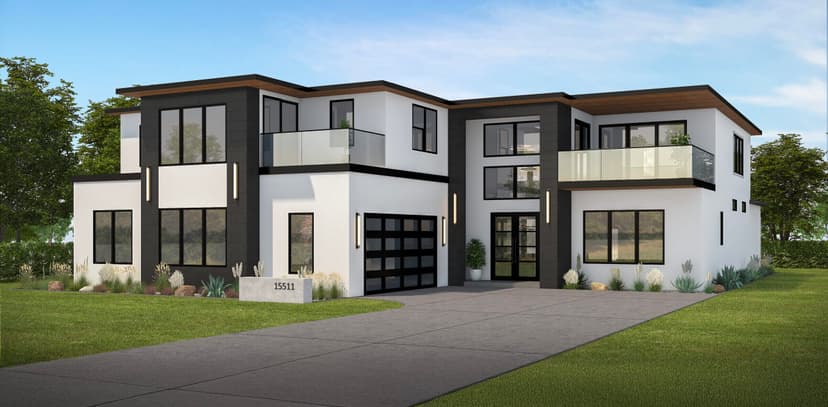
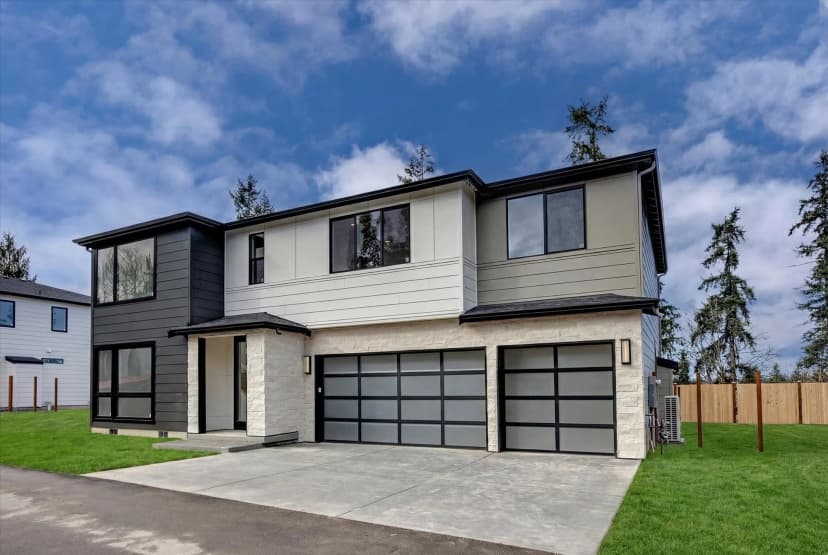
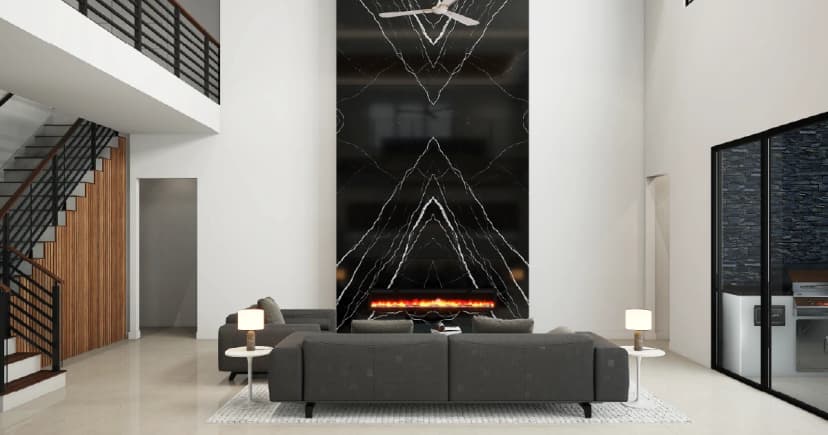
New Construction Homes for Sale: Your Guide to Buying a New Home
A home search usually begins with the obvious things: price, location, bedrooms, square footage.
Then something shifts.
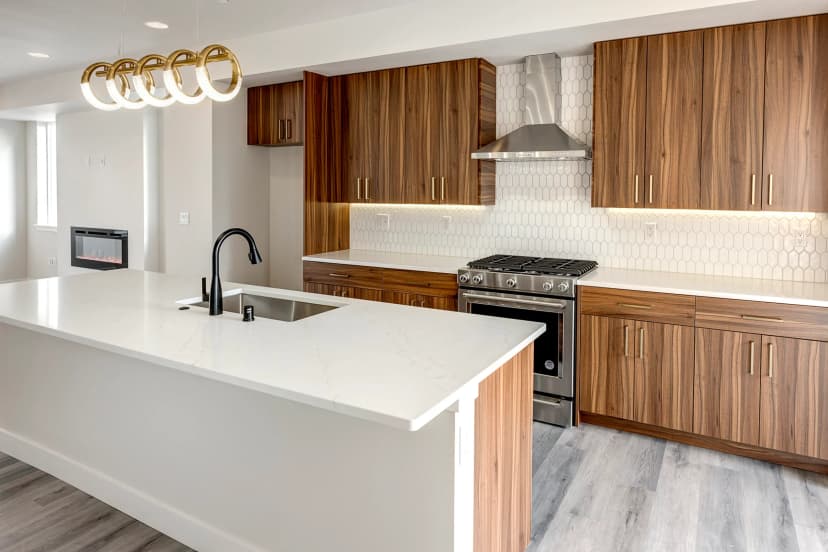
You walk through a kitchen and start wondering where the coffee maker would go. You notice whether there is a place to drop bags without blocking the hallway. You think about where someone could take a work call, whether the laundry room is where you would want it, and if the living room would still feel comfortable once your own furniture was there.
That is when the search becomes less about specifications and more about fit.
If you are considering buying a new construction home, it helps to understand what is different about the process before you get too far into it. New construction can offer newer systems, current layouts, and, depending on timing, opportunities to make certain selections. It also comes with its own questions about construction stages, inspections, incentives, and what is actually included.
You do not need to solve all of those questions at once.
Start with the way you expect to live.
Begin With an Ordinary Weekday
A model home can make almost anything look appealing.
The better test is Tuesday.
Where do groceries come in? Is there somewhere for coats, shoes, backpacks, or work bags to land? Can one person be on a video call while someone else is cooking? Is the pantry large enough for the way you shop?
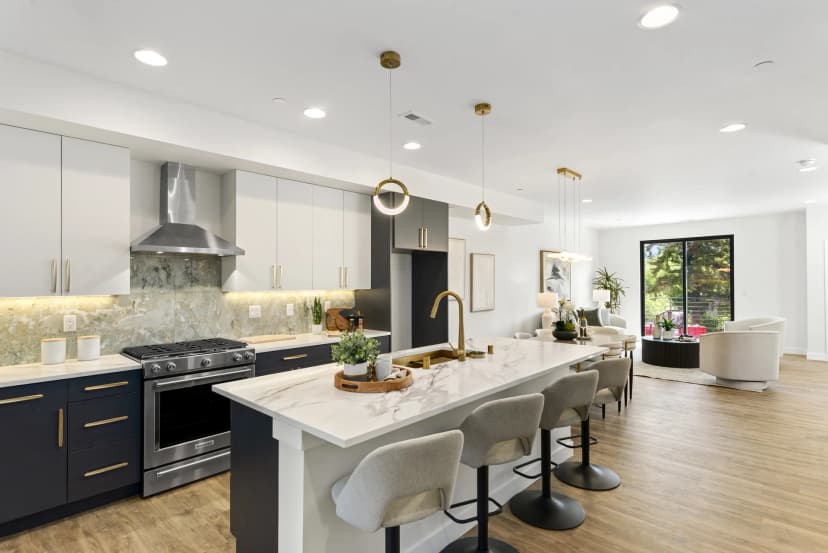
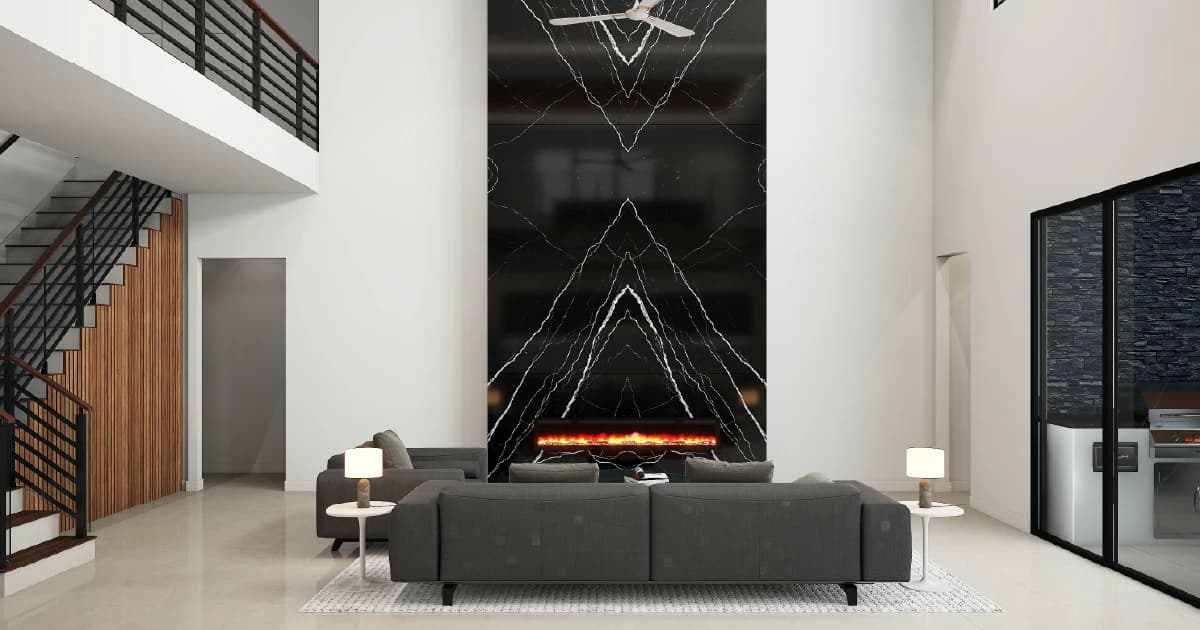
Many buyers like modern open-concept floor plans because the kitchen, dining area, and main living space feel connected. That can work well when people are cooking, talking, helping with homework, or having friends over.
But “open” is not enough on its own.
Bedroom placement matters. So does storage. Natural light matters differently in a home office than it does in a hallway. A flexible room may be more useful than one oversized space if several things need to happen at once.
The floor plan that photographs best is not always the one that works best at 7:30 on a weekday morning.
Buying a New Build vs Old House
The question of buying a new build vs old house is often presented as though one side should win.
It usually is not that simple.
An existing home may offer mature landscaping, architectural details, or a neighborhood that has developed over decades. Some buyers also enjoy renovating and making changes over time.
A newly built home offers a different starting point. Depending on the property, you may find newer plumbing, electrical, roofing, HVAC systems, finishes, windows, and appliances, along with layouts designed around current routines.
That is part of the appeal of low-maintenance new homes.
Still, new does not mean maintenance-free. Filters need changing. Exterior materials need care. Appliances have service requirements. Landscaping still asks for attention.
The advantage is often that you are starting with newer components rather than inheriting the age of an existing home.
Think about what you would rather spend your first year doing. For one buyer, repainting and updating an older home may be part of the fun. For another, it may be the last thing they want to add to an already busy year.
Single-Family Homes or Townhomes?
The choice between single-family homes and townhomes becomes much easier when you stop asking which one sounds more impressive.
Ask which one fits your week.
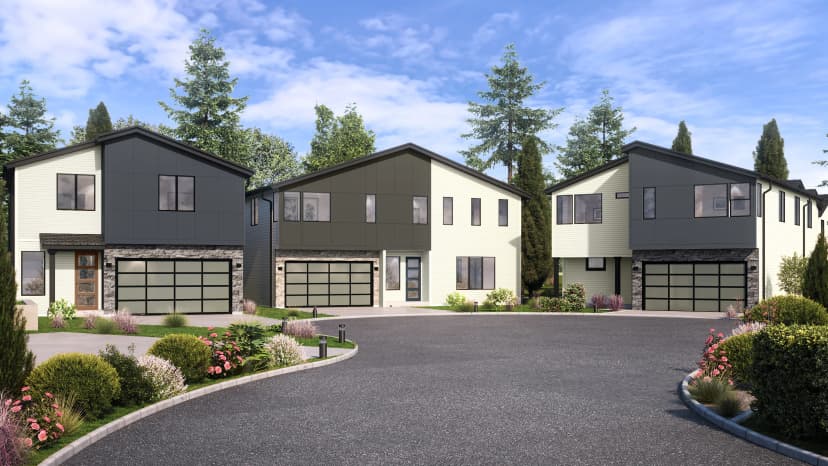
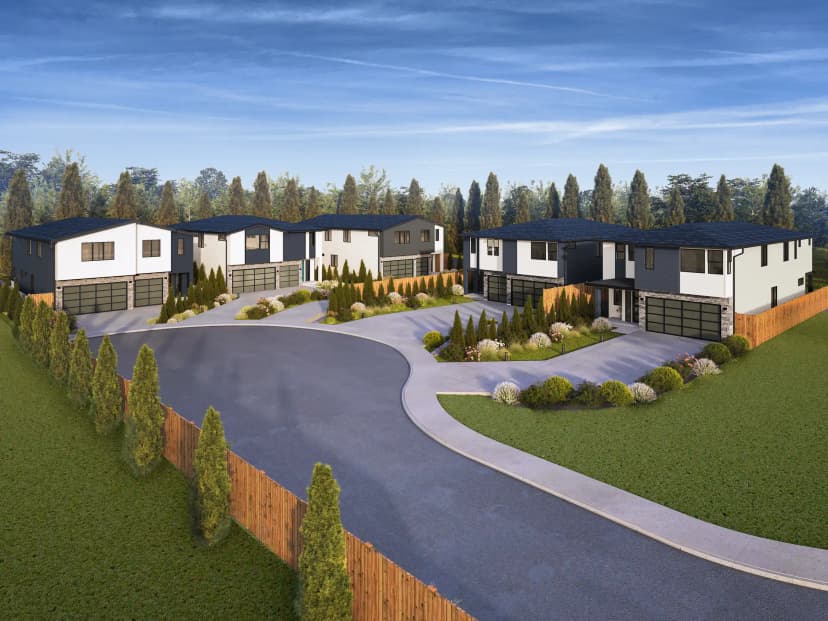
A single-family home may make sense if you value a private yard, more separation from neighboring homes, or additional garage and storage space.
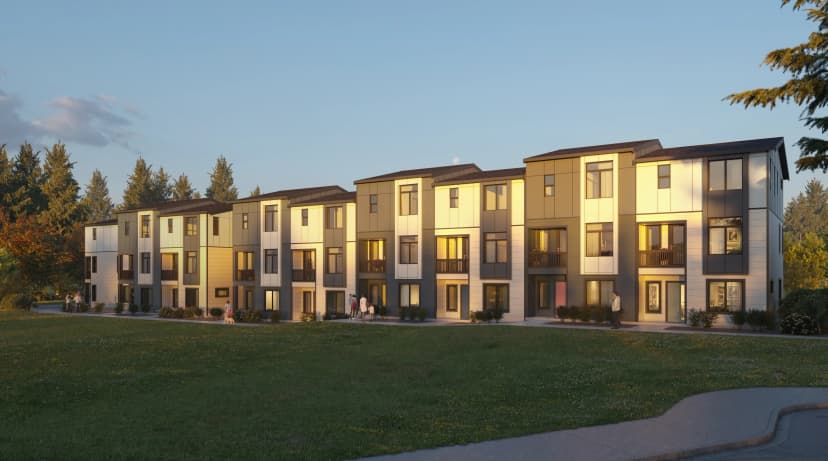
A townhome may suit you better if you prefer a more efficient footprint, multi-level living, or less exterior area to manage, depending on the community.
Then look at the less glamorous details.
What does the HOA maintain? What remains your responsibility? Where do guests park? Would you use a larger yard often enough to want the upkeep that comes with it?
There is no universal better choice here.
A home type works when its tradeoffs line up with the life you already have.
What the Construction Process Can Feel Like
If you buy before completion, progress is not always dramatic.
Some weeks are exciting. Framing goes up, and the rooms suddenly make sense. Cabinets arrive. Flooring changes the feel of the space almost overnight.
Other stretches are quieter because work is happening behind the walls or waiting on inspections, materials, or the next trade.
The typical new home construction process steps may include site preparation, foundation work, framing, roofing, plumbing, electrical work, HVAC installation, insulation, drywall, cabinetry, flooring, countertops, fixtures, exterior work, inspections, and final completion.
The exact sequence and timing can vary with the builder, location, permits, weather, labor availability, and material schedules.
If you are purchasing early in the process, ask how updates are communicated. Find out when selections are due and which decisions cannot be changed after certain construction milestones.
Knowing what comes next makes the waiting easier to understand.
Spend More Time on the Choices That Are Hard to Undo
A design appointment can make every decision feel equally important.
They are not.
If personalization is available, pay closer attention to choices that would be difficult, disruptive, or expensive to change later. Structural options, electrical locations, plumbing, storage configurations, and layout changes may deserve more thought than a decorative item you could replace in a few years.
Your habits are useful here.
If you cook often, pantry storage or kitchen workflow may matter more than an upgrade somewhere else. If you work remotely, a quiet room with reliable natural light may affect your week more than a finish you noticed first in the showroom.
At MSR Communities, we believe personalization is most useful when it has a reason behind it.
A home should feel like yours because it supports the way you live—not because you selected the longest list of options.
Read Beyond the Headline on New Home Builder Incentives
New home builder incentives can be useful, but the headline rarely tells you enough.
Depending on the home, community, timing, and program, an offer might include closing-cost assistance, design credits, appliance packages, financing promotions, or special pricing on selected inventory.
Ask questions before you assign a value to it.
Which homes qualify? Does the offer require a particular lender or title company? When does it expire? If financing is involved, what do the full loan terms look like?
The same level of attention should go to the purchase price.
Ask what is included and what is not. Homesite premiums, design selections, appliances, landscaping, structural options, and association fees can all affect the overall cost.
And leave room for the things that rarely make the sales brochure: moving expenses, window coverings, shelving, a ladder, a few pieces of furniture that suddenly do not fit, and the first trip to the hardware store after closing.
A New Home Still Deserves a Careful Inspection
New does not mean there is nothing to check.
A qualified inspector can give you an independent look at the property and may identify items that deserve attention before closing.
A practical new construction home inspection checklist may include roofing and exterior components, grading and drainage, windows and doors, plumbing fixtures, electrical systems, HVAC operation, appliances, cabinetry, countertops, flooring, tile, walls, ceilings, stairs, railings, and safety devices.
Inspection rights and timing vary, so review your contract and ask qualified professionals how the process applies to your purchase.
The purpose is not to assume something is wrong.
It is to understand the home you are buying.
That is useful information whether the house is five days old or fifty years old.
Give the Final Walkthrough More Time Than You Think
By the time the final walkthrough arrives, it is easy to be mentally halfway into moving day.
Slow down.
Open windows and doors. Run the faucets. Test lights and switches. Look at flooring, cabinets, counters, tile, paint, fixtures, and hardware. Review anything that was documented earlier.
Find the electrical panel. Know where the water shutoff is. Ask where manuals and warranty information are kept.
These are small things, but knowing them before you are standing in the house with a leaking faucet or a tripped breaker can make the first few weeks much easier.
Choose the Community Along With the House
A home can work beautifully inside and still sit in a location that does not fit your routine.
Think about the part outside the front door.
How does the commute feel at the time you would actually make it? Are parks, recreation, restaurants, schools, or everyday services convenient for your household? Would you enjoy walking the neighborhood after dinner, or is that not something you care about?
At MSR Communities, we believe the home itself matters, but so do the streets, destinations, recreation, and routines around it.
Over time, those surroundings become part of what living there feels like.
Think Beyond Move-In Day
Buying a new home involves contracts, financing, inspections, decisions, and sometimes a surprising number of emails.
Those are important.
They are also temporary.
A few years from now, you may remember when the kitchen became the place people naturally gathered, when a spare room changed purpose, when neighbors became familiar faces, or when the last unopened moving box finally disappeared.
As you explore new construction homes for sale, look closely. Ask what is included. Understand the timeline. Compare financing carefully. Pay attention to storage, outdoor space, maintenance, and location.
Then give yourself permission to picture something less technical.
What would an ordinary day here look like?
The right home is not simply the newest one or the one with the longest feature list.
It is the one where the practical pieces and the personal ones make sense together.