Exploring Single-Family Detached Homes: A Quick Guide for Homebuyers
When people start looking for a new home, it usually begins with a pretty simple question: What kind of place actually fits my life?
And more often than not, that question turns into another one—should you go with an attached home, or a single-family detached home?
At first, the difference seems obvious. One shares walls, the other doesn’t. But once you start thinking about your day-to-day routine, your long-term plans, and what “home” really means to you, the decision gets a little more personal.
At MSR Communities, we’ve seen this play out time and time again. It’s not just about how new the kitchen is. It’s about how you want to live—and how that might change over time.
So let’s break it down in a way that actually makes sense.
What Is a Detached Single-Family Home?
You’ve probably come across the term already and maybe even wondered, what is detached Single-Family home, exactly?
Here’s the simple version.
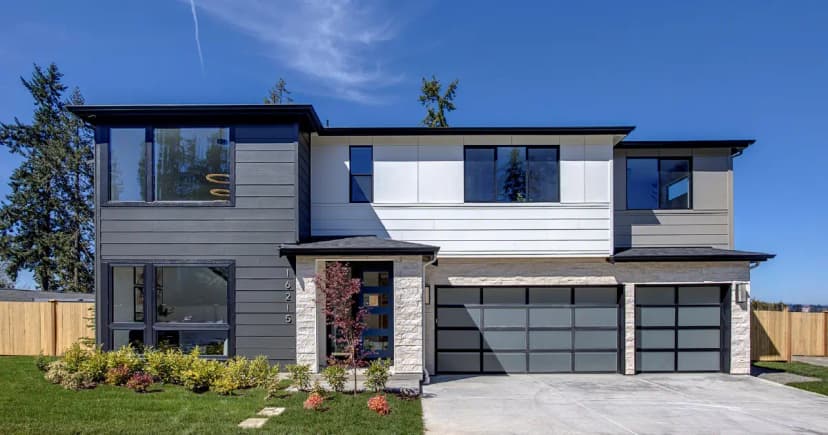
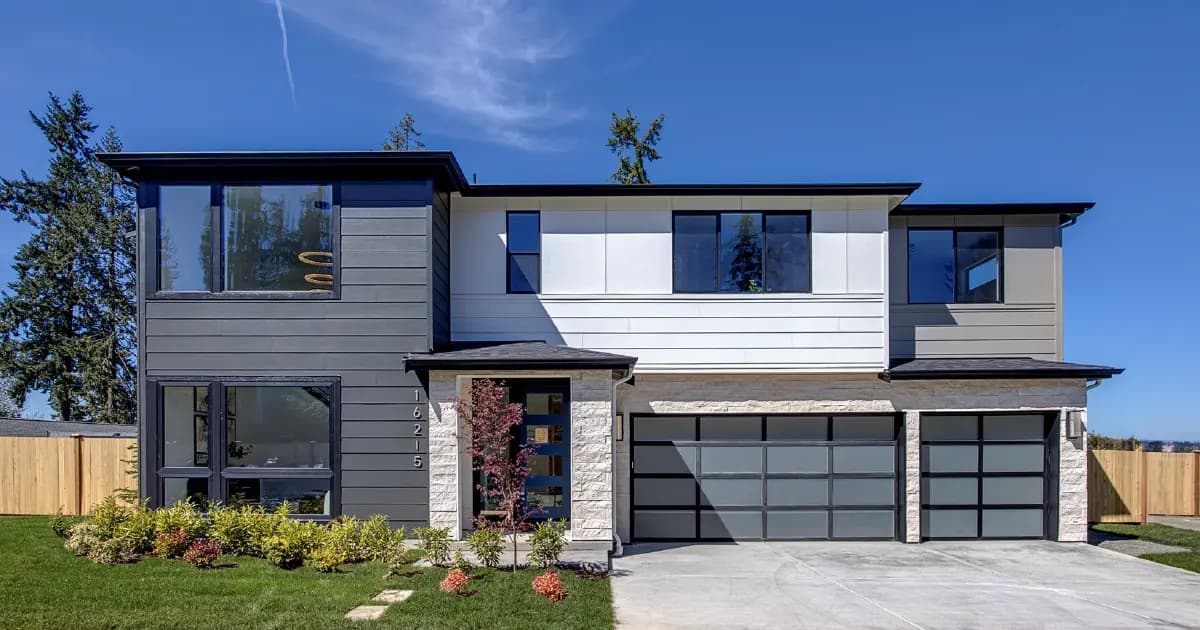
A single-family detached home is a house that stands completely on its own. No shared walls, no units attached to either side—just one home on its own piece of land.
That’s really the core of the single-family detached home definition.
In real life, that usually means:
- You’re not hearing your neighbor through the wall.
- You have your own yard or outdoor space.
- There’s a bit more breathing room between homes.
- You can make changes without worrying about shared structures.
For a lot of people, this is what they picture when they think about owning a home. Something that feels private, a little quieter, and fully theirs.
What About Attached Homes?
Attached homes are pretty much what they sound like—they’re connected to another home.
You’ll usually see these as:
- Townhomes
- Duplexes
- Row houses
Each unit is owned separately, but at least one wall is shared with a neighbor.
These homes tend to show up in more central or urban areas, where being close to everything is part of the appeal.
What you’ll typically notice:
- Shared walls (sometimes on both sides)
- Smaller outdoor spaces—or shared ones
- A more community-style setup
- Often some kind of HOA handling maintenance or amenities
For a lot of buyers, attached homes hit a sweet spot. You still own your place, but things can feel a bit simpler and more connected.
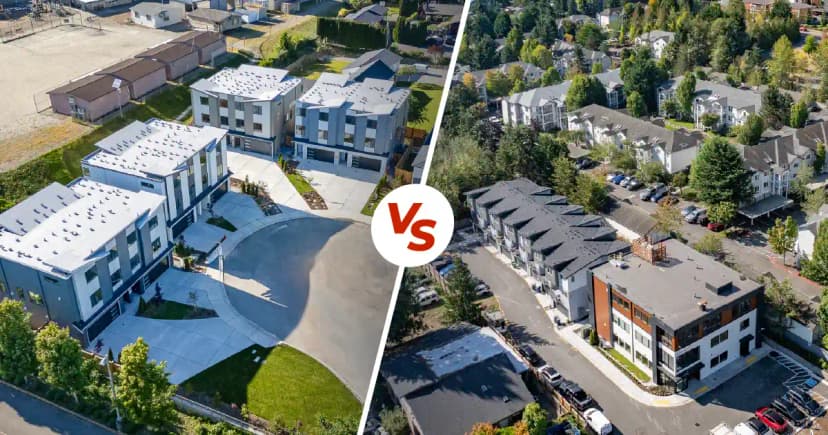
Attached vs Detached Single-Family Home: What Actually Matters?
When people compare an attached vs detached Single-Family home, they’re not just comparing layouts—they’re trying to picture their everyday life.
What’s it going to feel like on a random Tuesday evening? Or a quiet Sunday morning?
That’s where the real differences show up.
Privacy and Noise (The First Thing Most People Notice)
Let’s be honest—this is usually the big one.
With a single-family detached home, you don’t share walls. That alone changes a lot. It’s generally quieter, and you get a bit more separation from neighbors.
It’s not that attached homes are noisy by default—they’re often well-built—but you are living closer to other people. For some, that’s totally fine. For others, it can take a little getting used to.
If having your own space matters a lot, this is something you’ll probably notice right away.
Outdoor Space and How You Use It
This is another area where the difference is pretty clear.
With a Single-Family detached home, your outdoor space is yours to figure out. It can be whatever you want—a small garden, a place to sit with coffee, somewhere for kids or pets to run around.
If you’ve ever browsed luxury Single-Family homes for sale, you’ve probably seen how much emphasis is placed on that indoor-outdoor flow.
Attached homes can still offer outdoor areas—patios, balconies, shared green spaces—but it’s a different kind of setup. More compact, sometimes more communal.
Neither is better across the board. It just depends on what you’re looking for.
Cost and Everyday Practicality
For a lot of buyers, this is where the decision starts to narrow down.
Attached homes are usually more budget-friendly, especially in areas where space is limited. They can be a great entry point into homeownership.
A single-family detached home, on the other hand, often costs more upfront. But you’re also getting more space, more privacy, and more flexibility.
That’s why people looking at Single-Family detached homes for sale are often thinking long-term—not just what works now, but what will still work a few years from now.
Maintenance: Control vs Convenience
This part really comes down to personality.
With a single-family detached home, you’re in charge of everything. Yard work, repairs, upkeep—it’s all yours. Some people like that. It gives them control.
Others would rather not think about it.
Attached homes often come with HOA services that handle a lot of the maintenance. That can make life easier, especially if you’re busy or just don’t want to deal with the details.
Of course, that convenience usually comes with fees. So it’s a bit of a trade-off.
Community and Amenities
One thing attached homes often do really well is community living.
It’s pretty common to find:
- Shared parks
- Walking trails
- Fitness centers
- Pools or clubhouses
If you like having those things nearby—and maybe even meeting neighbors now and then—this can be a big plus.
Detached homes can have access to amenities too, depending on the neighborhood, but it’s usually less built-in.
Instead, you get more space of your own.
Why People Still Lean Toward Detached Homes
Even with all the benefits of attached living, a lot of buyers still end up choosing a single-family detached home.
It usually comes down to a few things:
- Wanting more room over time
- Looking for a quieter environment
- Planning for family needs
- Wanting the flexibility to change or expand the home
When people are browsing Single-Family detached homes for sale, they’re often thinking a few steps ahead. Not just where they are now, but where they’re going.
Thinking About the Long Term
There’s also the investment side of things.
A single-family detached home tends to hold its value well, partly because there’s always demand for space and privacy.
That’s one reason why luxury single-family homes for sale continue to attract buyers—they offer both a lifestyle upgrade and long-term stability.
Of course, the market can vary, but in general, detached homes are seen as a solid long-term option.
What About New Construction Homes?
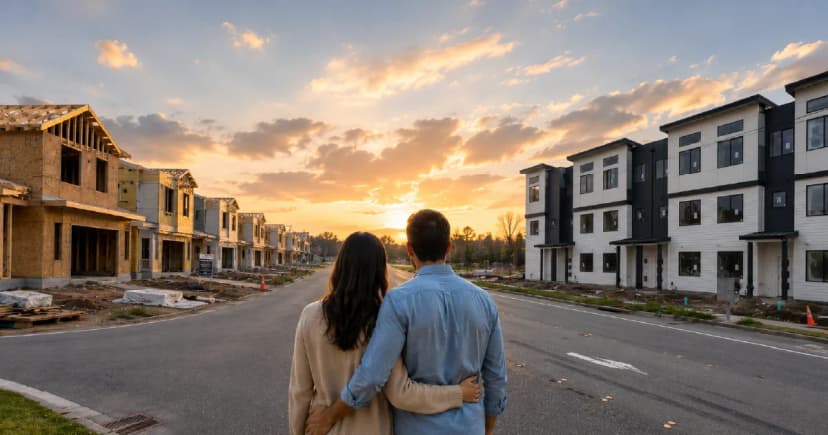
If you’ve been searching online, you’ve probably typed in something like new construction homes for sale near you.
And there’s a reason for that.
Newer homes—whether attached or detached—are often designed with modern living in mind. Think open layouts, flexible spaces, better energy efficiency.
For a lot of buyers, new construction just feels easier. Fewer immediate repairs, more up-to-date features, and a chance to start fresh.
So… Which One Feels Right?
There’s no perfect answer here.
Some people walk into a single-family detached home and immediately feel like, this is it. Others prefer the simplicity and convenience of an attached home.
If you’re leaning toward detached, it might be because you want:
- More privacy
- Space to grow
- Freedom to make the home your own
If attached feels right, it’s probably about:
- Convenience
- Lower maintenance
- A more connected setup
Either way, both options can work really well.
Finding a Place That Actually Feels Like Home
At the end of the day, this isn’t just about definitions or comparisons.
It’s about finding a place that fits your life—not just on paper, but in a way that feels natural day to day.
Whether you’re exploring Single-Family detached homes for sale, checking out luxury Single-Family homes for sale, or looking into new construction homes for sale near you, the goal is the same.
You’re looking for a place that feels like yours.
And that’s something no checklist can fully define.